
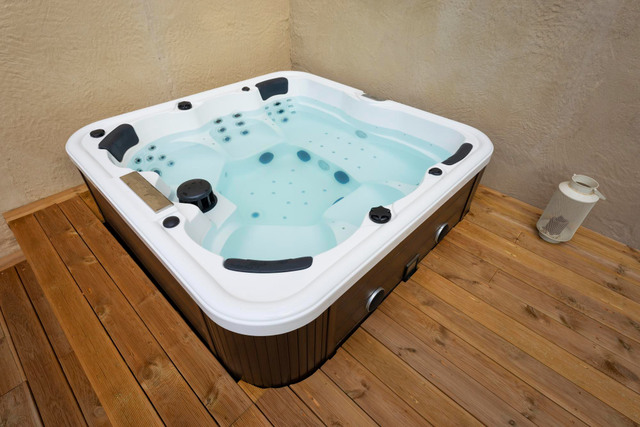
Wood-fired hot tubs have this appeal that’s hard to ignore. There’s something about heating water with actual fire that feels more intentional, more connected to the experience than just flipping a switch. But before anyone gets too caught up in the romance of it all, there are some practical things worth knowing. These tubs work differently than electric ones, they require different care, and they’re not always the right fit for every situation.
The good news? Most of the challenges are manageable once you know what to expect. The people who end up disappointed are usually the ones who thought it would work exactly like a plug-in model. It doesn’t. And that’s kind of the point.
How the Heating System Actually Works
The biggest adjustment for most people is understanding the heating process itself. Wood-fired tubs use an external stove—usually made of aluminum or stainless steel—that heats the water through natural convection. Cold water enters the bottom of the stove, gets heated, and rises back into the tub. No pumps, no electricity, just physics doing its thing.
This means the water won’t heat up at the push of a button. Depending on the size of the tub, the outside temperature, and how well you manage the fire, it typically takes two to four hours to reach a comfortable soaking temperature. That’s not a flaw, but it does require planning. Those who opt for a quality cedar hot tub find that establishing a routine—lighting the fire in the afternoon for an evening soak, for example—makes the timing feel natural rather than inconvenient.
The fire also needs tending. It’s not constant babysitting, but someone does need to check on it, add wood, and make sure it’s burning steadily. For some people, this becomes part of the ritual they actually enjoy. For others who just want to zone out immediately, it might feel like an extra task.
The Wood Situation Nobody Talks About Enough
Here’s something that catches people off guard: you need a reliable source of firewood. Not just any wood, either. Hardwoods burn longer and hotter, which makes them ideal. Softwoods work in a pinch but burn through faster, meaning more trips to add fuel.
Most tub owners estimate they use about 20 to 30 pounds of wood per heating session, though this varies based on conditions. That might not sound like much, but it adds up over time. People with easy access to free or cheap wood—maybe they live near wooded areas or know someone in the firewood business—tend to find this cost negligible. Those buying bundled firewood from grocery stores will spend more than they probably expected.
Storage matters too. The wood needs to stay dry, which means dedicating space in a shed or under a cover. Wet wood creates more smoke, heats less efficiently, and makes the whole experience frustrating. This is where a little preparation goes a long way.
Space and Installation Requirements
Wood-fired cedar tubs need more room than people often realize. The tub itself is one thing, but the external stove adds to the footprint. There also needs to be clearance around the stove for safety—nothing flammable nearby, good ventilation, and enough space to comfortably add wood without awkward reaching.
Most models need a solid, level base. A concrete pad works well. So does a reinforced deck, though it needs to be built to handle the weight. A full tub can weigh several thousand pounds, and not every deck can support that kind of load. Gravel or compacted earth can work too, but the surface has to stay level and stable over time.
Placement matters beyond just the technical requirements. The stove creates smoke, especially during startup, so positioning the tub where smoke won’t drift into windows or bother neighbors makes the experience better for everyone. Wind patterns, privacy, and proximity to the house for those midnight winter soaks—all these factors shape how much the tub actually gets used.
Water Care Is Different (But Simpler)
One advantage of wood-fired tubs: they’re easier to maintain than electric hot tubs with all their jets and filters. There’s no complex plumbing system to worry about. Most cedar tubs are just a wooden vessel holding water.
That said, the water still needs care. Without built-in filtration, debris tends to accumulate—leaves, insects, whatever the wind brings. A simple skimmer net takes care of most of this. Some people add a basic filtration system or use the tub with a floating filter. Others drain and refill more frequently, especially if they’re not using it daily.
Chemical balance matters too, though not as intensely as with electric tubs. Basic sanitizer keeps the water safe between uses. Test strips help monitor pH levels. The wood itself is naturally antimicrobial to some degree, which helps, but it’s not a substitute for proper water treatment.
The bigger consideration is drainage. These tubs hold hundreds of gallons, and that water has to go somewhere when it’s time to empty. Most people drain onto their lawn or into a gravel bed. Local regulations sometimes have rules about this, especially regarding treated water, so checking those guidelines beforehand prevents problems later.
The Learning Curve Is Real
Getting the fire going efficiently takes practice. The first few times, it might take longer than expected. The fire might die down too quickly, or the water might not get quite hot enough. This is normal. Most people figure out their system’s quirks within three or four uses.
Temperature control is another skill that develops over time. Unlike electric tubs with precise thermostats, wood-fired models require a feel for it. Too much fire and the water gets uncomfortably hot. Too little and it never quite reaches that perfect soaking temperature. Reading the fire, understanding how wind affects the burn, knowing when to add more wood—these all become intuitive eventually.
The payoff for this learning curve is a deeper connection to the process. There’s satisfaction in mastering something hands-on, in understanding how the elements work together. But for people who prefer appliances that just work without thought, this adjustment period might feel tedious.
Long-Term Durability Considerations
Cedar is naturally rot-resistant, which is why it’s such a popular choice for outdoor applications. It handles moisture well, resists decay, and develops a beautiful weathered patina over time. But it’s not maintenance-free.
The wood benefits from occasional treatment—usually an oil or sealant designed for cedar. This isn’t constant upkeep, maybe once or twice a year depending on climate and use. It keeps the wood from drying out and cracking, especially in harsh sun or extreme temperature swings.
Some weathering is expected and even desirable. The silvery-graycolor that develops is part of cedar’s natural aging process. But if the wood starts developing deep cracks or shows signs of significant wear, addressing it early prevents bigger problems.
The stove also needs attention. Most are built to last for years, but they’re exposed to intense heat and weather. Checking for rust, making sure connections stay tight, and clearing out ash buildup keeps everything running smoothly.
Cost Reality Check
Wood-fired cedar tubs typically cost less upfront than high-end electric hot tubs. They also avoid the ongoing electricity costs that make some electric models expensive to operate. But they’re not free to run.
Firewood costs vary dramatically by region and source. In some areas, it’s almost free. In others, it’s a real expense. Add in occasional maintenance supplies, water treatment chemicals, and potential repairs, and the ongoing costs become clearer.
The time investment is also worth considering. Between lighting the fire, tending it, and the cooling and draining process, these tubs require more active participation than electric models. For some people, that time feels valuable—it’s part of slowing down and being present. For others with packed schedules, it might be time they don’t have.
Making the Decision
Wood-fired cedar tubs work best for people who want a hands-on experience, who don’t mind the prep time, and who have realistic expectations about the process. They’re ideal for those with access to firewood, adequate outdoor space, and an appreciation for the ritual of fire-heating.
They’re less ideal for anyone expecting instant gratification, minimal maintenance, or set-it-and-forget-it convenience. The people who end up loving these tubs are typically the ones who view the extra steps as features rather than bugs—the fire-tending becomes meditation, the slower heat-up creates anticipation, the whole experience feels more earned.
The important thing is going in with clear understanding. These tubs deliver something genuinely different from electric models, but only if that difference aligns with what someone actually wants from the experience. When expectations match reality, wood-fired cedar hot tubs offer something special that plug-in versions can’t quite replicate—warmth that feels connected to something more elemental, more real.