
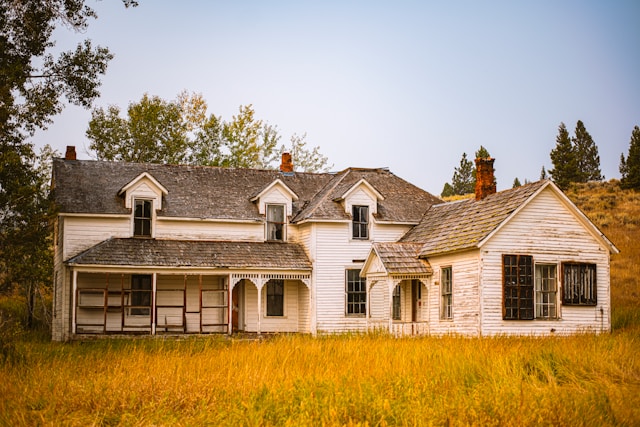
There’s something unsettling about realising the most important part of a house is the bit you almost never see. People will spend months thinking about paint colours, tapware, flooring, landscaping and whether the kitchen needs a bigger island, while the stumps beneath the home quietly do the unglamorous work of holding everything in place.
When those stumps are in good condition, nobody thinks about them. When they start to fail, though, the house has ways of letting you know. Floors begin to slope, doors stop closing properly, cracks appear where they weren’t before, and that vague “old house charm” starts to feel less charming when you realise the structure might be moving. For anyone dealing with those signs, understanding the process of restumping a house can make the whole situation feel a little less mysterious and a lot less intimidating.
The Warning Signs are Usually Fairly Ordinary
Restumping sounds like the sort of thing that should announce itself dramatically, but the first clues are often small enough to ignore. A floorboard feels uneven. A hallway seems to dip slightly. A door rubs against the frame during humid weather, then gets worse over time. A window that used to slide easily suddenly needs a bit of force.
On their own, these things can seem like minor annoyances, especially in older homes where people expect a bit of movement. But if several signs show up together, or if they’re gradually becoming more obvious, it’s worth paying attention. Stumps can deteriorate because of age, moisture, soil movement, termites or poor drainage, and once the support system is compromised, the rest of the house can start responding.
Restumping Isn’t Just “Lifting the House”
The basic idea sounds simple enough: support the house, remove the old stumps, install new ones and make everything level again. In practice, it’s much more careful than that. The home needs to be assessed, the condition of the existing stumps checked, access considered, levels measured and the right replacement materials chosen.
Depending on the property, sections of the house may be gradually raised or supported while the damaged stumps are removed. New concrete or steel stumps are then installed and adjusted so the structure sits properly. It’s not the sort of job where rushing helps anyone, because the aim isn’t only to replace what’s rotten or failing; it’s to restore stable support and reduce the chance of ongoing movement.
Old Homes Often Hide a Few Surprises
Anyone who has renovated an older house knows the building tends to have opinions of its own. You open up one area expecting a straightforward job and discover old repairs, uneven additions, drainage problems, termite damage or previous work that was done with more enthusiasm than precision.
Restumping can reveal similar surprises, which is why a proper inspection matters. The visible symptoms inside the home don’t always show the full story underneath. Sometimes one section is worse than expected, while another is still performing reasonably well. Sometimes drainage or soil issues need to be addressed too, otherwise the new stumps may be asked to deal with the same conditions that damaged the old ones.
It Can Protect More Than the Floor Level
The obvious benefit of restumping is a straighter, more stable home, but the impact can go further than that. When the house is properly supported, doors and windows may function better, cracks may be less likely to keep opening up, and future renovation work can be carried out on a more reliable base.
That last point is important. There’s not much sense spending heavily on cosmetic updates if the structure underneath is still moving. Restumping may not be the most exciting part of improving an older home, but it can be the work that makes everything else more worthwhile.
A house doesn’t need to be perfect to be worth saving. Sometimes it just needs the right support beneath it, quietly doing its job again.