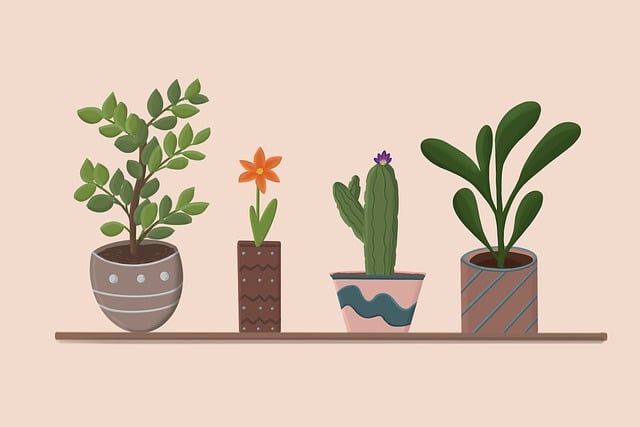
People have always considered indoor plants as mere ornaments, but they are more than that; they are the life, colors, and tranquility of a home. Yet, there are numerous plant owners who have issues with the proper care of their houseplants. If you know how to water, light, and the type of soil you give to the plants, then your indoor garden will be a sight to behold. Below are the fundamental guidelines that will assist you in nurturing your plants and guide you on “how to keep your indoor plants alive“.
Understanding Watering Needs
Overwatering and underwatering plants stands as the main mistake which people frequently make when caring for their plants. You need to research your plant species because each one requires different hydration levels. Here are some general guidelines:
1. Check the Soil Before Watering
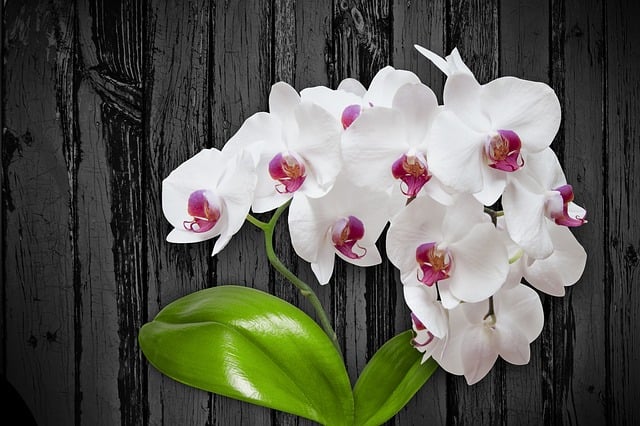
Check soil moisture by inserting your finger one inch deep before you pick up the watering can. If the soil is dry, it is high time to water it. The main reason plants die is due to overwatering since waterlogged soil creates an environment where roots suffocate. Ferns require their top layer to stay moist but must never experience water logging conditions. If you have orchid in you home then you need to know the need of this plants as well.
2. Use the Right Amount of Water
Most gardeners are usually advised to avoid over watering the plants rather than under watering them. High water levels cause root rot that is challenging to treat. Pots with drainage holes should always be used to stop water from building up at the bottom. If your pot does not have a drainage hole, it is advisable to put a layer of pebbles at the bottom of the pot to let out excess water so as to promote root development.
3. Water on a Schedule
If you are to set a routine, then you will be able to be consistent for every plant, though it may not be the same. For instance, plants such as succulents and cacti should be watered after every 2-3 weeks while other plants such as the peace lily should be watered on a weekly basis. Amend according to the seasons—this is because plants require less water during winter since they do not grow as fast because of lack of light and cold climate.
Providing Adequate Light
Light is another thing to consider when it comes to the survival of indoor plants. However, there are some general guidelines that apply to most plants:
1. Know Your Plant’s Light Preferences
Plants exist in three distinct lighting requirements which include low-light and medium-light and high-light. The low light plants include snake plants and pothos, while the high light plants include fiddle-leaf figs and plants that require bright indirect light. Most of the plants that grow in areas with partial sun include the philodendrons that are considered to be of medium light. Knowing the requirements of your plant is important so that it can grow properly and not have stress.
2. Position Plants Strategically
It is recommended that you put your plants in areas that are close to windows so as to allow them to be exposed to natural light. The windows facing south will allow the most amount of light into the room while the northern facing windows will allow filtered light into the room. East and west facing windows are a midway between both. In case the area has inadequate natural light, it will be necessary to use grow lights to provide the plants with the necessary energy for photosynthesis.
3. Rotate Your Plants
It is a fact that plants bend towards the light and if not controlled, it will lead to the development of abnormal branches. To make the growth uniform, you should try to interchange the positions of your pots after every few weeks. This way, you avoid the development of one side of the plant and your plants look well shaped and well cared for. It also ensures that all the sides of the plant get enough light exposure as the plant is rotated from one side to the other.
Selection of the Appropriate Soil and Growing Medium
Soil serves as the essential base for developing strong plants. A suitable potting mix provides the right drainage system while allowing nutrients to absorb and maintain healthy root development.
1. Match the Soil to the Plant
It is a well-known fact that various plants grow in various types of soil. For instance, cacti and succulents should be grown in a sandy soil mix that does not hold water while the tropical plants require a peat-based mix that holds water. To replicate the natural environment that the orchids grow in, they are best grown in a chunky bark mix. If the wrong soil is used, it can affect the roots and the growth of the plant will be slow.
2. Refresh the Soil Regularly
The continuous use of soil leads to its compaction and depletion of nutrients which reduces plant growth potential. Plants require fresh soil replacement every one to two years to receive new nutrient sources. Handle the roots with care to prevent any harm. Soil refreshment enhances both drainage and aeration which builds a better environment for plant growth.
3. Ensure Proper Drainage
The prevention of root rot depends on good drainage which also helps maintain healthy roots. To enable proper drainage in pots without drainage holes you should place a layer of gravel or sand beneath the soil. You can protect your plant roots by placing it inside a smaller pot which has drainage holes while using a decorative outer cachepot. The drainage system you use should prevent water from staying near the plant roots.
Final Thoughts
Taking care of the indoor plants is a unique way of nurturing and an interesting activity at the same time. With these simple rules of watering, light, and soil, you will be well on your way to having your indoor jungle. So, as you learn how to keep your indoor plants alive, do not stress yourself thinking about the best ways to care for your plants, but rather, try to understand your plants and adjust to them. Over time, you will get a good feel of how to take care of plants and the benefits of having plants around the house are endless. Happy planting!